
On Tuesday, Gov. Rhoden announced he's formally requested a Presidential Disaster Declaration following the historic windstorm that caused widespread damage across western South Dakota on Dec. 17 and 18, 2025.
Rhoden previously signed an emergency declaration on Jan. 7, 2026, which started the disaster process. A preliminary damage assessment conducted in late January by FEMA confirmed more than $4.6 million in public infrastructure damage across Custer, Pennington and Fall River counties, according to a press release from the governor's office.
The damage exceeds federal thresholds for disaster assistance and includes "impacts to roads, power systems, parks, recreation areas, trails and public facilities," said the press release, "with Custer County experiencing particularly devastating per-capita impacts."

According to Aaron Woodward, the warning coordination meteorologist at the National Weather Service, the windstorm caused such widespread damage due to several factors. This includes the power and duration of the storm, dry soil conditions, and a combination of southwesterly and northwesterly winds that bent trees and other structures back and forth.

"That day we had a first strong wave of southwesterly winds between 50 and 70 miles an hour," said Woodward.
"So that got everything loosened up and pushed in a direction that's not typical for our high winds," he continued. "So everything that was used to getting hit by strong northwest winds was now all of a sudden getting hit by these strong southwesterly winds."
Woodward said overnight the winds shifted back to the northwest with record-breaking gusts in the 60-90 mph range lasting for four to eight hours – longer than a typical windstorm in the region. Near downtown Rapid City, a 101 mph wind gust was recorded at 3:12 a.m. on Dec. 18.

In Custer State Park, thousands of trees were downed by high winds. According to Woodward, a major contributing factor to this widespread damage is that warm and dry weather leading up to the windstorm meant the ground had not yet frozen.
"The ground is pretty dry, the soils are pretty light, so the trees didn't have that nice heavy moisture or frozen ground to anchor them down," said Woodward.
Lydia Austin is the Visitor Services Supervisor at Custer State Park. She says every part of the park saw impact from the wind damage.
"I think that was what was very surprising to all the staff when we woke up that morning," said Austin. "We've had wind damage before. I mean, it's the Black Hills. You'll see it. This was the entire park. It stretched from Sylvan Lake all the way down to Blue Bell to the Wildlife Loop Road."
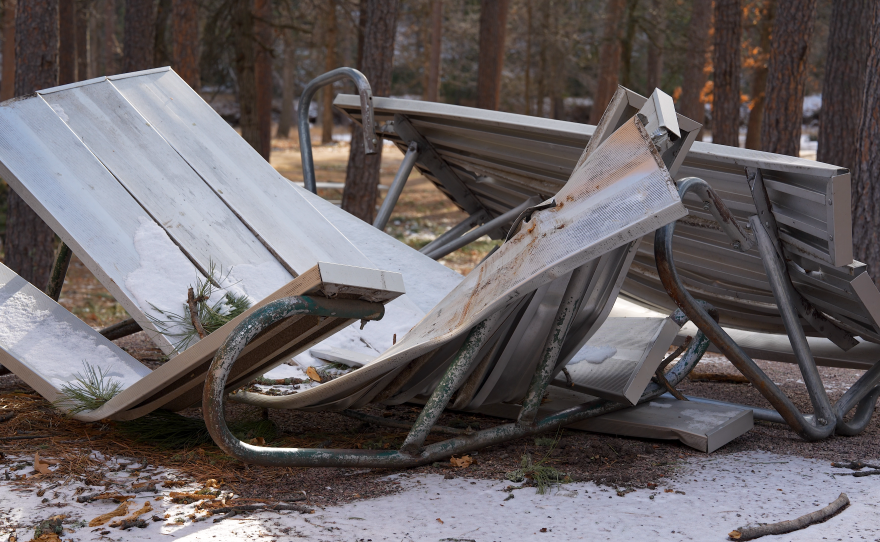
Austin said the impacts include everything from downed trees and powerlines to damaged buildings and campground areas.


In Rapid City, the total damage to city infrastructure likely exceeds $1 million and clean-up efforts are estimated to cost at least a couple hundred thousand dollars.
"The one image that was circulating around the news after the wind event was the radio tower collapsed on Skyline [Drive]," said Woodward.

"That tower is 100 some feet up in the air and was probably getting winds 120 mph hitting the top of the tower," he continued. "And then at the bottom of the tower, it was probably getting hit by 80 to 90 mph winds. So you have a 40 mph wind difference between the top and the bottom [...] Hence why that radio tower collapsed. So this system had a lot of winds with it, not just at the surface."
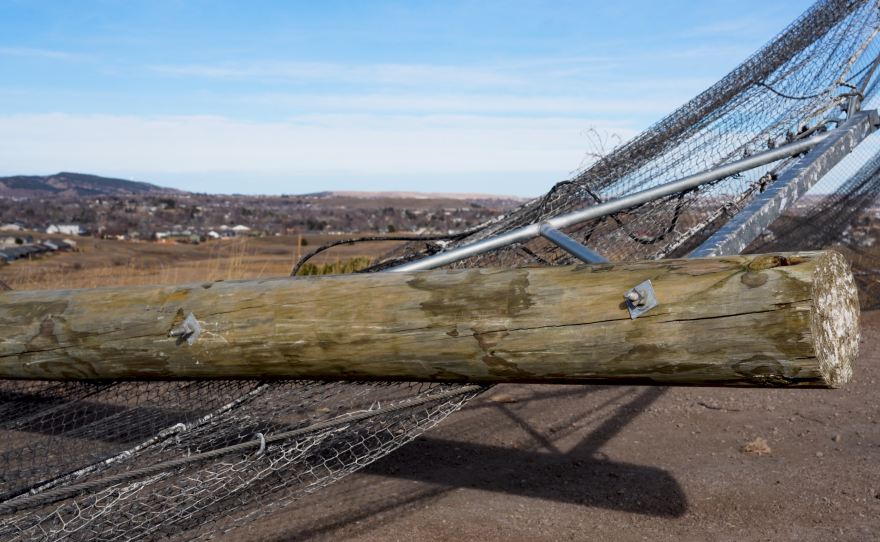
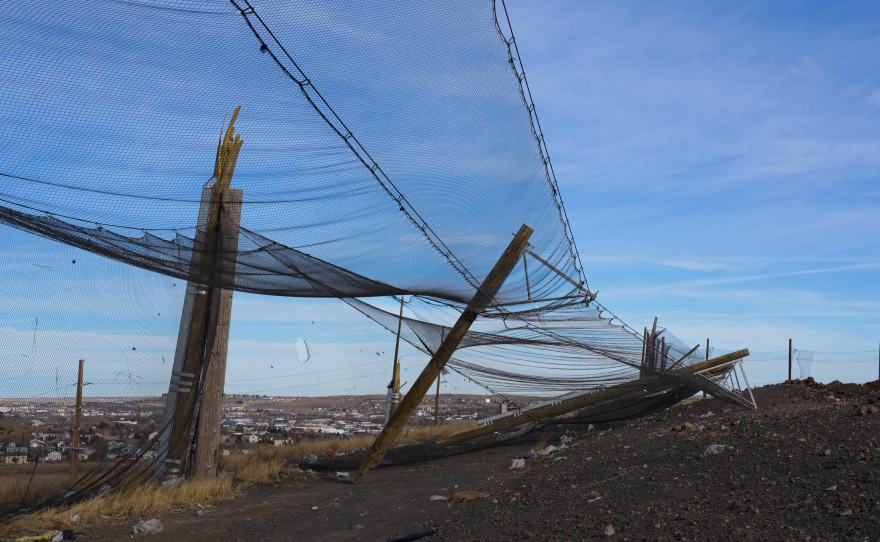
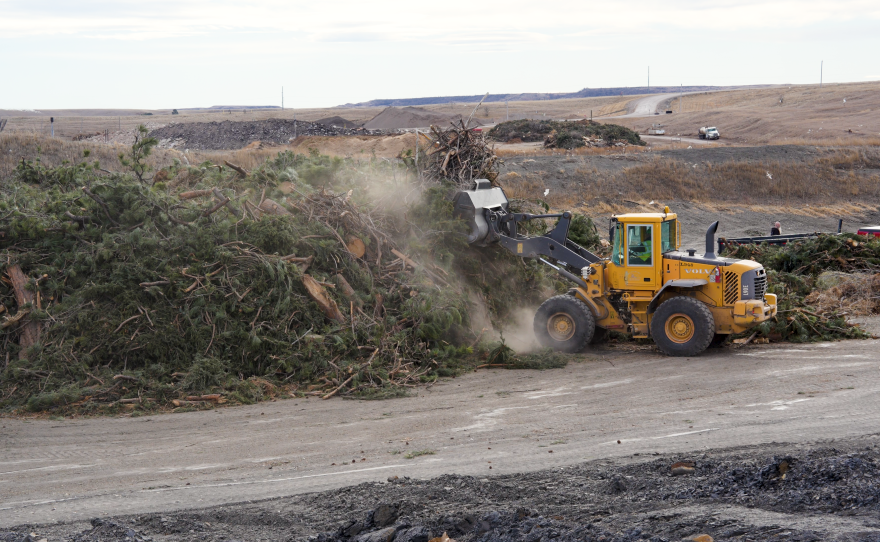
The Rapid City Landfill alone sustained around $750,000 worth of damage, including significant impacts to its litter fencing. As of the beginning of January, the landfill said it's received over 2200 tons of tree debris. That's more than 4,850,170 pounds.


According to Woodward, the public should be aware that there are many trees in the Black Hills that were structurally weakened by the windstorm, but not downed completely, making them hazardous.
"It won't take another strong wind event to bring those weakened trees down," said Woodward. "And if we get a heavy snowstorm to come in, the concern is those weakened trees will start to fall. So if you're out and about doing some hiking in the Black Hills or recreational activities, keep that in the back of your mind."

The disaster declaration request now goes to the President. If approved, FEMA Public Assistance funding will become available to Custer, Pennington and Fall River County. Public Assistance funding is mainly for debris removal work and infrastructure repairs, at a cost share of 75% federal, 10% state and 15% local.
Hazard Mitigation Grant Program funding would also become available in the future. It assists with developing hazard mitigation plans and rebuilding in ways that reduce or mitigate future disaster losses.
